基础
为什么 1 字节是 8 位:历史、硬件与权衡
从历史演进到硬件实现,解释 8 位字节成为标准背后的原因、工程权衡,以及它对文本、图片、内存和网络数据表示的影响。
1 分钟阅读
作者 Binary Code Translator#binary#byte#history#computer-architecture
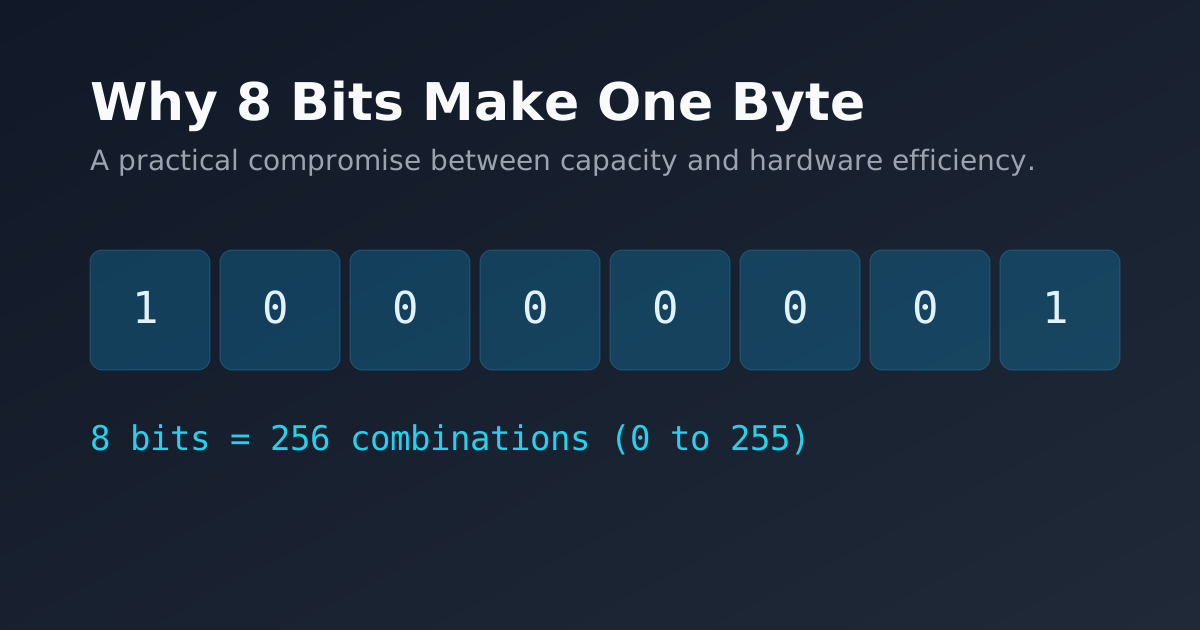
您可能知道这句话:“1 字节 = 8 位”。
但在早期的计算历史中,这一点并不总是得到保证。不同的机器曾经使用不同的字节大小。随着时间的推移,8 位字节获胜,因为它们达到了实用的最佳点。
第一性原理
- 一个位有 2 种状态:0 或 1。
- 8 位给出
2^8 = 256组合。
256 范围足以满足:
- 基本文本集
- 小整数
- 图形中的颜色通道 (0-255)
- 许多协议字段
为什么 8 很实用
8 位单元平衡了三个约束:
- 硬件复杂度
- 内存成本
- 有用数据范围
4 位单位对于一般文本和值来说太紧凑。较大的单元增加了早期系统的硬件和内存成本。
为什么它成为标准
随着生态系统的发展,互操作性变得很重要:
- 编译器
- 文件格式
- 网络协议
- 操作系统
8 位字节标准化减少了各处的转换摩擦。
你每天在哪里看到它
- 文本文件:每个字符都变成字节。
- 图像:RGB 通道通常每个使用 8 位。
- 网络有效负载:数据包字段是字节对齐的。
- 哈希和加密 API:输入和输出是字节数组。
小练习
将十进制值转换为二进制并检查字节边界:
65->01000001255->11111111256-> 需要多个字节
使用:
真正的教训
8 位字节更多体现的是工程取舍,而不是数学上的优雅。它们提供了足够的表示范围,同时让系统易于构建和标准化。